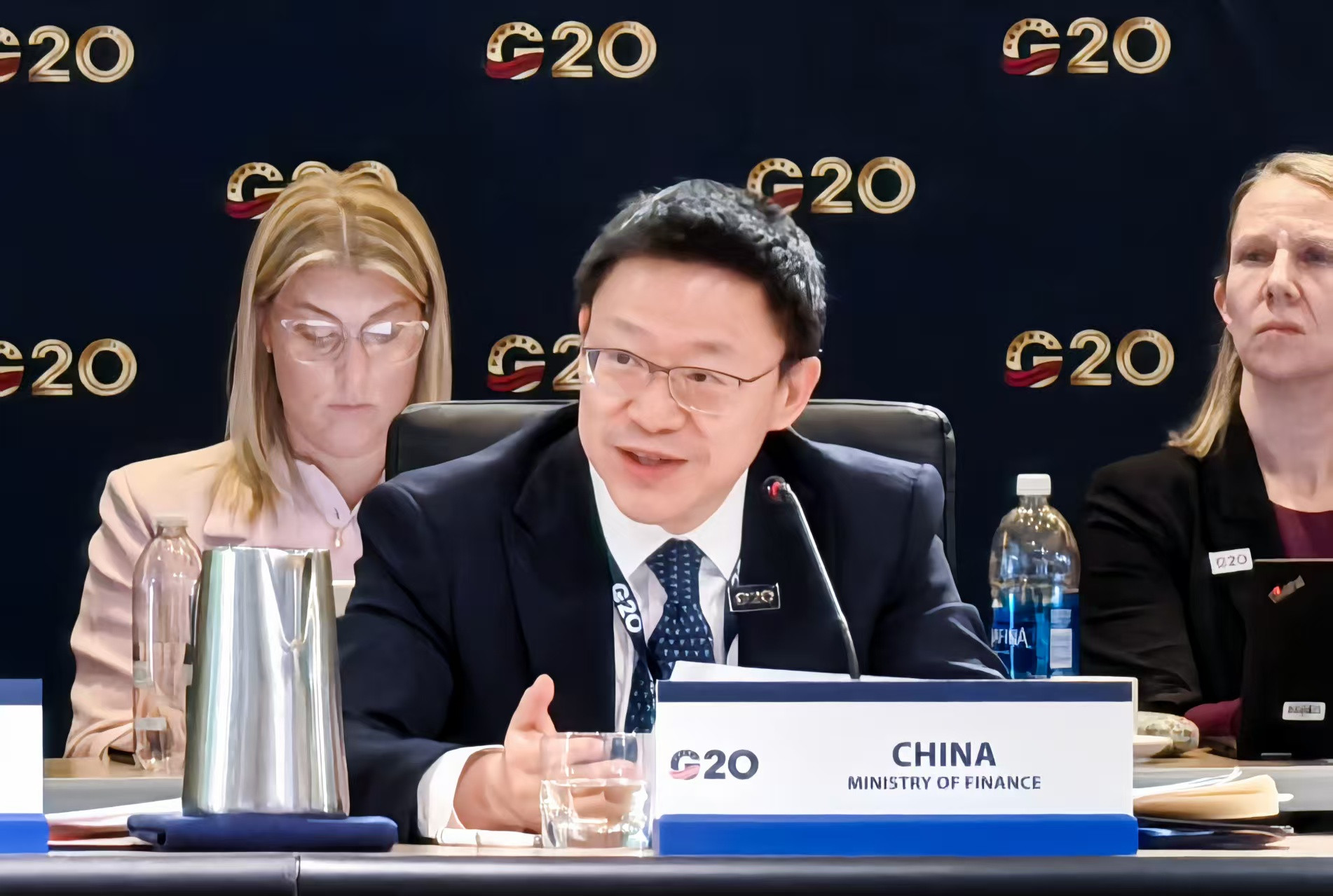
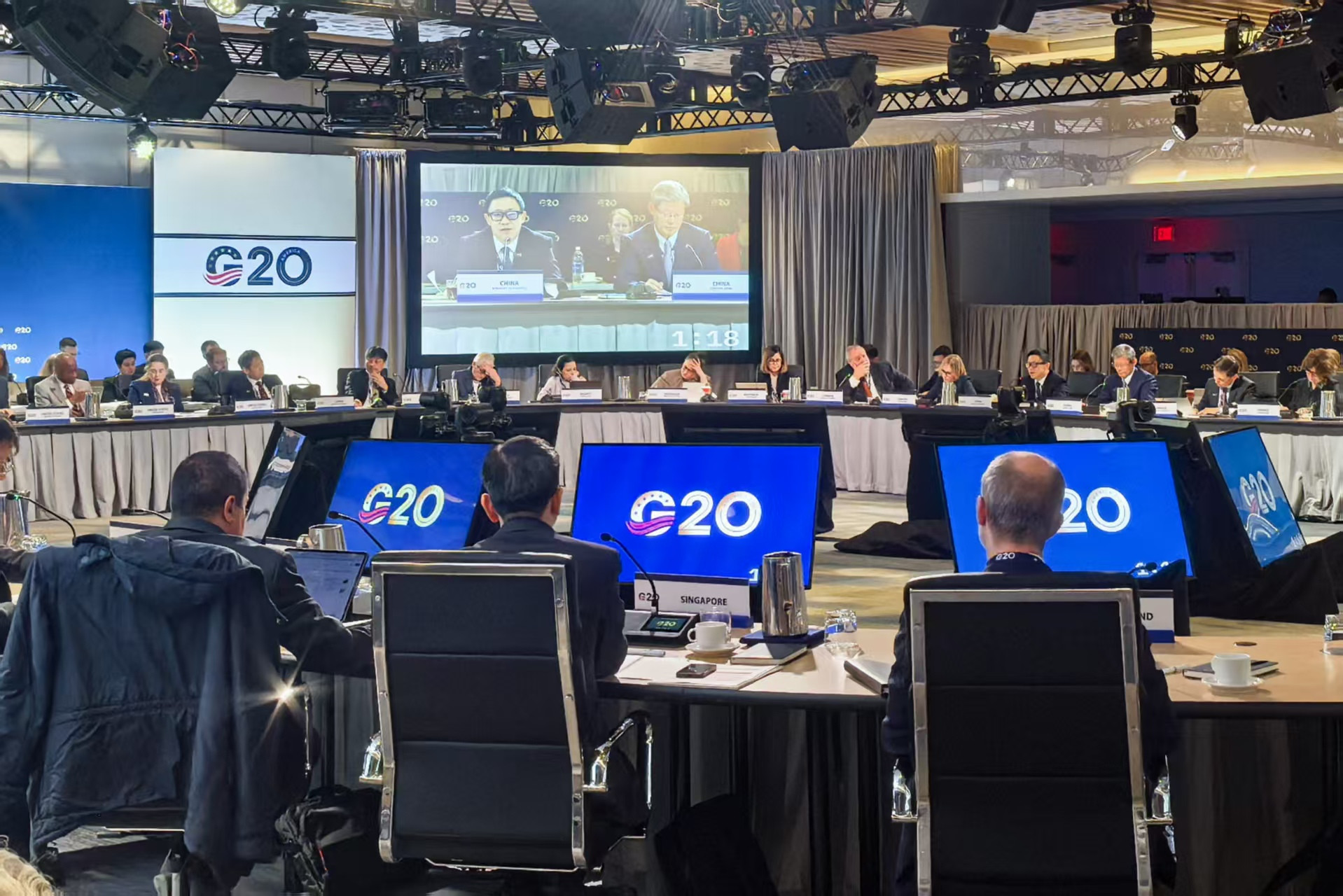
 The United States, the 2026 G20 Presidency, hosted its first G20 Finance and Central Bank Deputies Meeting in Washington, D.C., from December 15 to 16, 2025. The Meeting focused on the 2026 G20 Finance Track work plan and priorities. Liao Min, China’s Vice Minister of Finance attended and spoke at the meeting.
Liao noted that global economic growth momentum remains insufficient and called for efforts to better leverage the G20 Finance Track, strengthen macroeconomic policy coordination, and jointly foster an open, inclusive and non-discriminatory environment for international economic cooperation. He reaffirmed China’s firm support for multilateralism and its commitment to working together for advancing the G20 Finance Track, and contributing to strong, sustainable, balanced, and inclusive global economic growth. He also called for adhering to market-based principles and mobilizing resources through multiple channels to help debtor countries improve debt sustainability and strengthen their capacity for sustainable development.
Liao highlighted the key points of the Recommendations for Formulating the 15th Five-Year Plan (2026-2030) and the guiding principles of the Central Economic Work Conference. He also introduced China’s practical experience in promoting high-quality development, accelerating green transition and digitalization, and advancing high-standard opening-up. In addition, he outlined relevant policies, including adhering to domestic demand as the main driver of growth, building a strong domestic market, and improving the social security system.
On the sidelines of the meetings, Liao engaged in bilateral discussions with representatives from G20 members and guest countries, including the United States, Germany, the United Kingdom, France, Italy, Russia, Saudi Arabia, the European Commission, Brazil, Singapore, and the Netherlands, as well as heads of international organizations such as the World Bank, the International Monetary Fund, and the Organization for Economic Co-operation and Development focusing on the global macroeconomic developments and bilateral and multilateral financial cooperation.
DOWNLOAD:

 Print
Print Mail
Mail